

10 Famous HSPs & What They Can Teach You About Yourself | Seattle, WA
In an extrovert idyllic culture, it’s too easy for HSPs to measure themselves as both too much and not enough. Yet being compared to a nervous system that responds differently than yours only gives you half the story (and not a very flattering one). This is one of the reasons why identity and self-esteem work is so important for HSPs.
Dr. Elaine Aron, the pioneer researcher who discovered this trait, uses the “priestly advisor” (HSP) versus the “warrior-king” (non-HSP) archetypes to help paint a picture of what it means to be an HSP. The two different figures demonstrate differences in leadership style; neither being good nor bad, and both having important value and influence on society, culture, and the arts.
Another big picture way to see how this trait shows up is by looking at current and historical figures that emulate the known qualities of being HSP. Whether they publicly identify with being an HSP or not, their actions have left a distinct mark that reveals a reflective and thoughtful inner world.
The below list represents an example of the powerful strengths that can come from these traits. As an HSP, these examples can be both inspiring but also possibly create some pressure to live up to these great accomplishments. I offer a gentle reminder that comparison is not helpful, but perspective is. Let this list serve as an inspiration of your natural strengths while remembering that you do not need to be recorded in history to make an important impact on the world.

Alanis Morissette
Alanis Morissette has been a vocal advocate for the HSP community, demonstrating how emotional intensity and deep reflection can be translated into powerful art.
She is a great example of a High Sensation Seeking (HSS) HSP that has a strong desire for novelty, leading her to take more risks than the average HSP. She describes her self as “a black stallion on the outside and a shaky poodle on the inside.”
Alanis narrates and appears in a 2015 documentary on Sensory Processing Sensitivity that explores the research on the trait.
Image by Justin Higuchi from Los Angeles, CA, USA - Alanis Morissette 10/20/2013 #13, CC BY 2.0, https://commons.wikimedia.org/w/index.php?curid=76304947

2. Keanu Reeves
Beloved for his grounding presence, philosophical nature, and commitment to kindness, Keanu Reeves is a quintessential example of high sensitivity in action. His finely tuned nervous system fuels his reputation as one of Hollywood’s most genuine figures.
Reeves has spoken about navigating the overwhelming nature of public life, openly acknowledging his need for quiet spaces and solitary time to process and recharge.
Image by Anna Hanks from Austin, Texas, USA, CC BY 2.0 <https://creativecommons.org/licenses/by/2.0>, via Wikimedia Commons
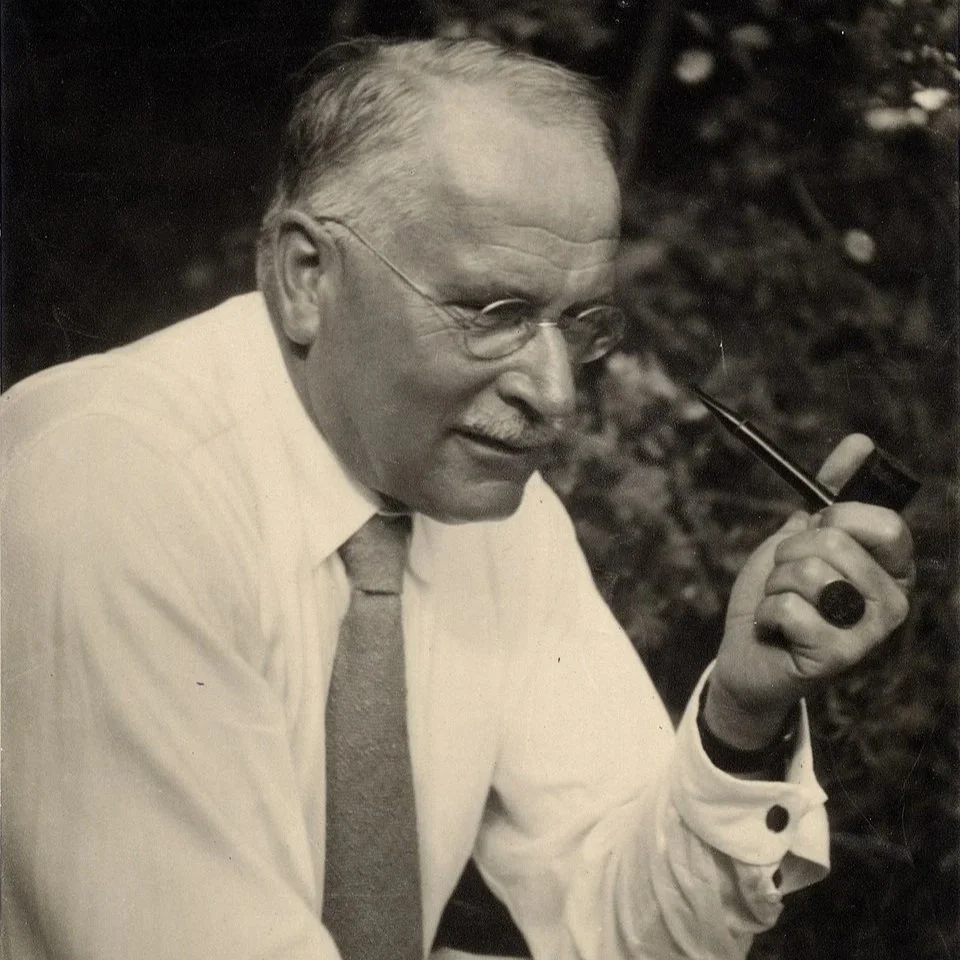
3. Carl Jung
Long before the term "Highly Sensitive Person" was coined, the renowned psychiatrist Carl Jung was exploring the terrain of his own sensitive nervous system. Jung’s pioneering work on introversion, archetypes, and the human psyche grew directly out of his rich, complex inner world. As a deeply reflective thinker, his depth psychology mirrors the core HSP trait of looking far beneath surface appearances to uncover underlying truths. Jung’s legacy reminds us that a sensitive mind is a powerful lens for understanding human nature.
Image by ETH Library, PDM-owner, via Wikimedia Commons
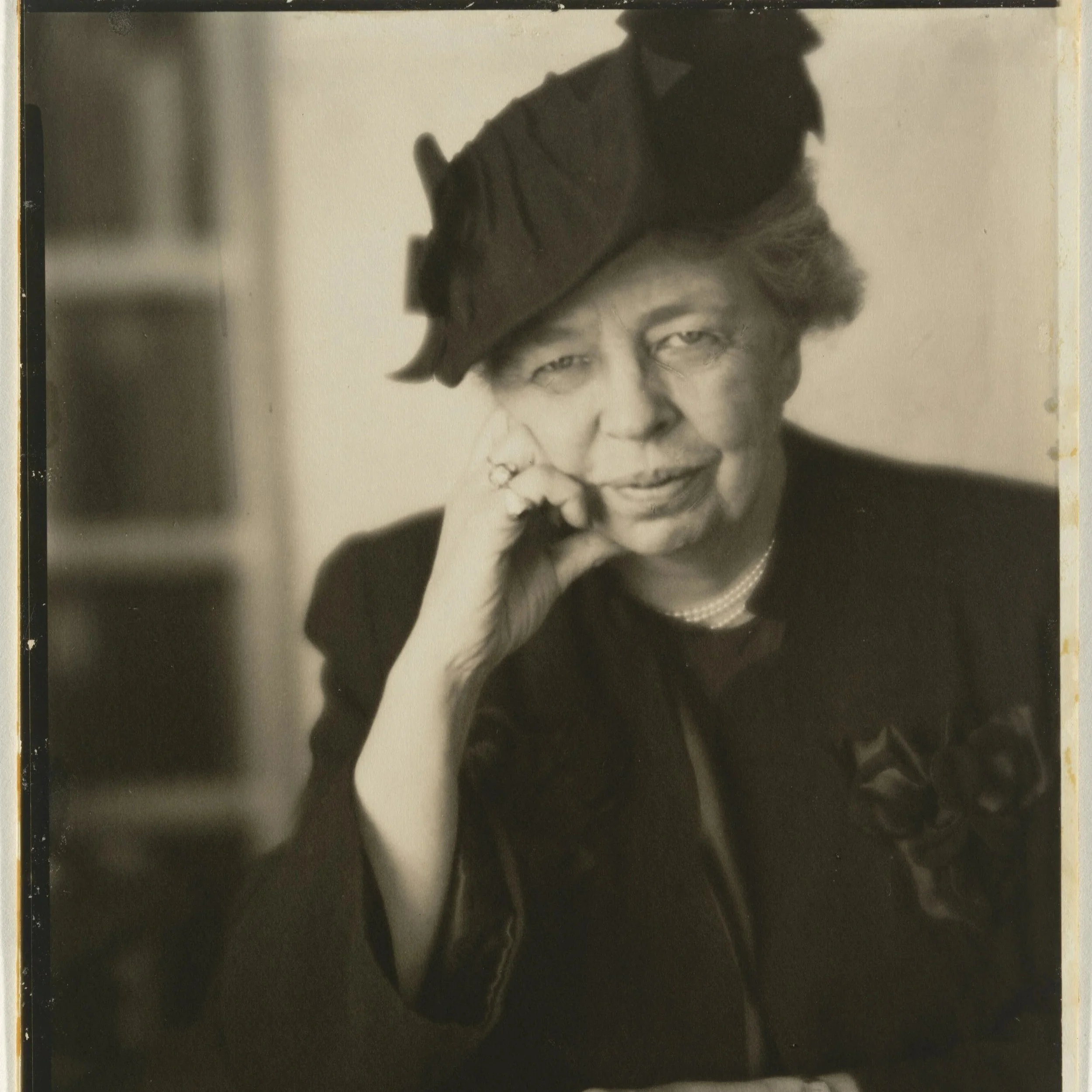
4. Eleanor Roosevelt
As First Lady and a diplomat, Eleanor Roosevelt exemplified how high sensitivity and leadership go hand in hand. Driven by intense emotional empathy and moral conviction, she served as the eyes, ears, and conscience of her husband’s administration. Despite finding public attention exhausting, Roosevelt honored her need for reflection while stepping up to champion civil rights, women's equity, and international peace.
Image via Smithsonian Open Access on Unsplash
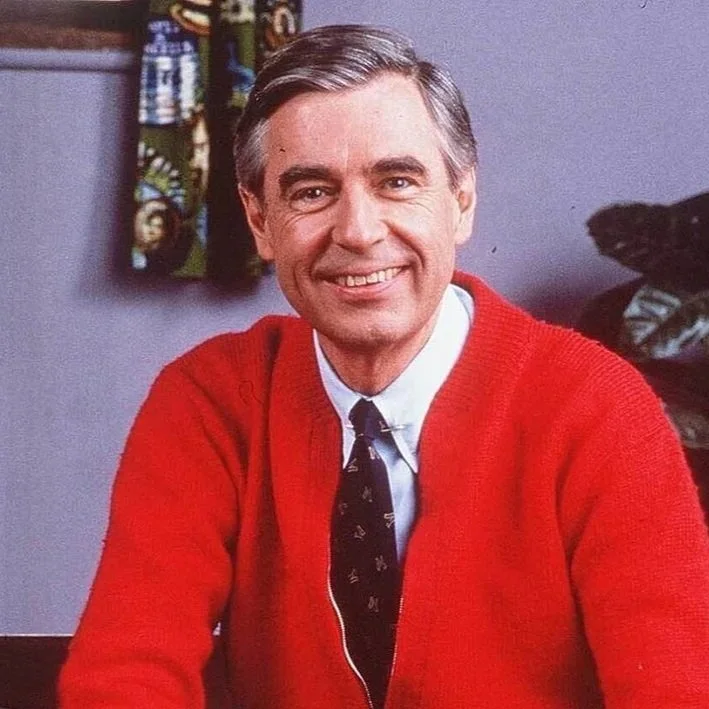
5. Fred Rogers
Fred Rogers dedicated his life to validating the complex emotional worlds of children and adults alike. He openly taught that naming scary or overwhelming feelings makes them manageable, and he championed daily self-care rituals—like swimming, journaling, and quiet solitude—to help regulate big feelings. His work demonstrated that gentleness is a profound form of strength.
Family Communications, Inc., Public domain, via Wikimedia Commons

6. Oprah Winfrey
Oprah Winfrey’s success stems from her willingness to lean into empathy rather than armor against it. By honoring her intuitive understanding of human emotion, she transformed how we talk about healing, personal growth, and vulnerability.
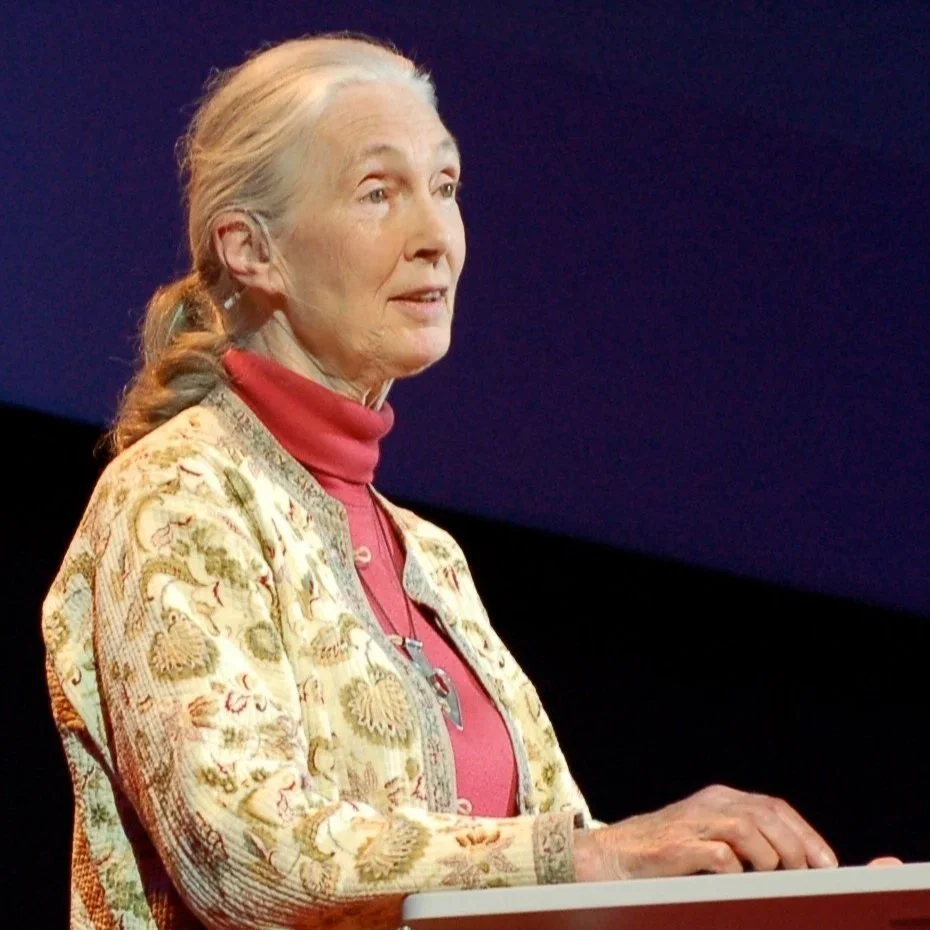
7. Jane Goodall
Jane Goodall demonstrates how the HSP trait of sensing the subtle can reshape our understanding of the world. By sitting quietly for months in the forests of Gombe, her calm, reflective presence allowed animals to trust her and enabled her to catch minute details that redefined science. Goodall’s career is a testament to the fact that gentle, highly observant individuals possess a unique power to protect and illuminate the natural world.
Image by Erik (HASH) Hersman from Orlando - File:Jane Goodall at TEDGlobal 2007.jpg, CC BY 2.0, https://commons.wikimedia.org/w/index.php?curid=17255675

8. Elton John
Few performers wear their emotional world as boldly as Elton John. Beneath the legendary, vibrant stage personas lies an artist who channels intense emotional vulnerability straight into his music. His ability to translate complex feelings into timeless, evocative melodies demonstrates how highly sensitive people can transform their heightened inner lives into powerful artistic expression that resonates with millions.
Ernst Vikne, CC BY-SA 2.0 <https://creativecommons.org/licenses/by-sa/2.0>, via Wikimedia Commons
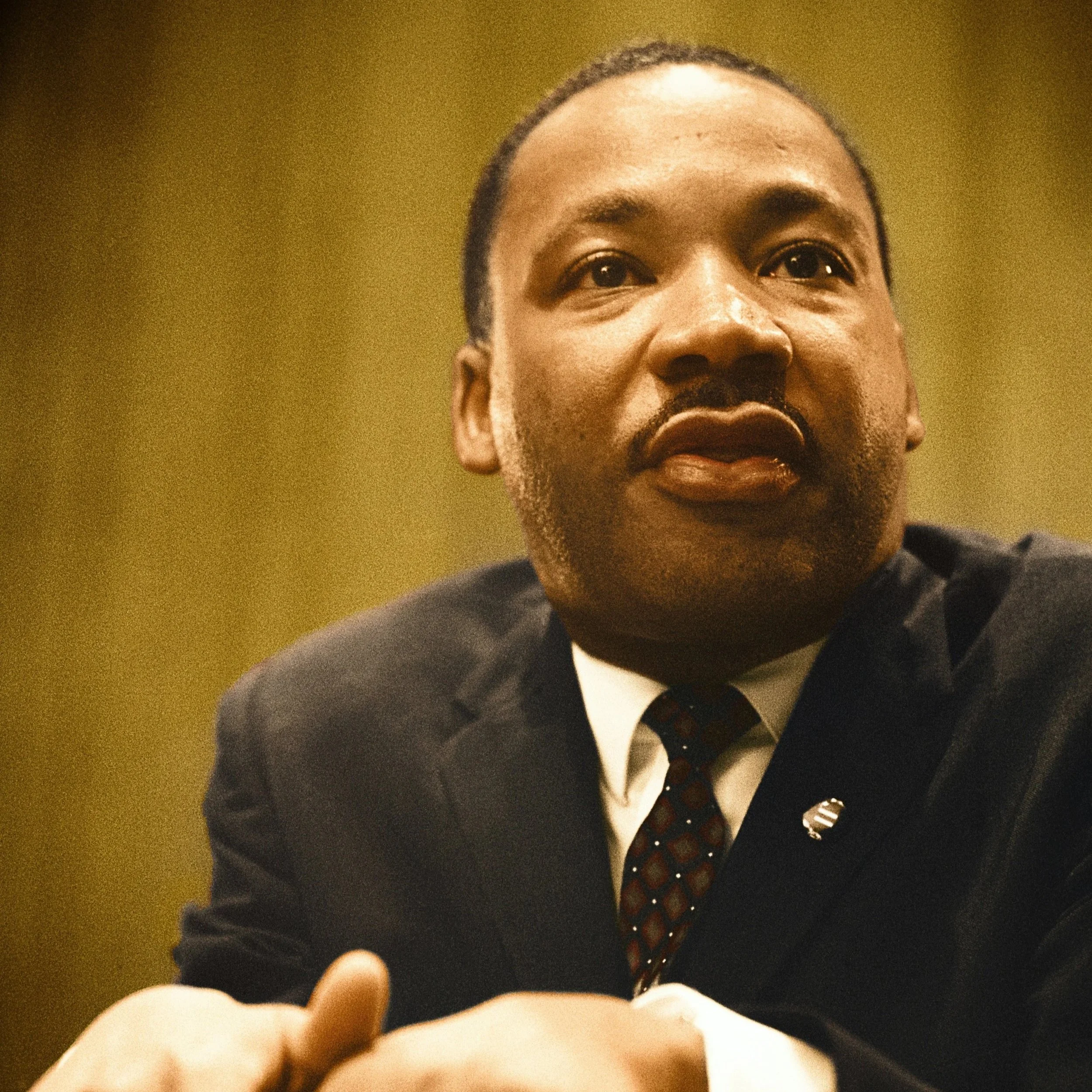
9. Martin Luther King, Jr.
Dr. Martin Luther King Jr. possessed a profound sensitivity to human suffering that became the moral compass of the Civil Rights Movement. Dr. King leaned into his capacity for deep feeling, using it to speak truth to power with warmth, courage, and moral clarity. He reminds us that when paired with conviction, a sensitive heart can alter the course of history.
Image via Unseen Histories on Unsplash
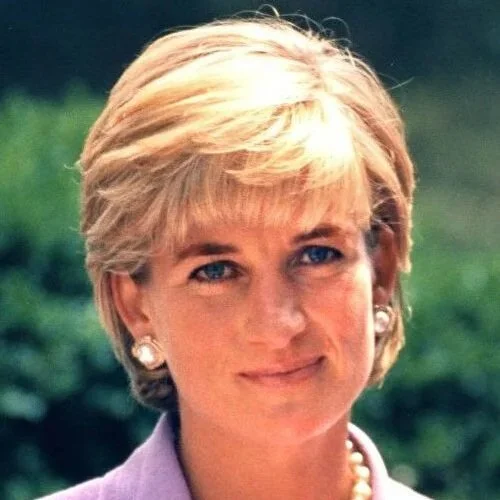
10. Princess Diana
Known as the “People’s Princess,” Diana, Princess of Wales, carried the quintessential heart of an HSP. Her extraordinary capacity for empathy allowed her to connect genuinely with people from all walks of life—most famously stepping past rigid protocol to hold hands with AIDS patients and walk through active minefields. While the intense spotlight and overstimulating demands of royal life frequently overwhelmed her, Diana’s emotional sensitivity was her greatest asset, using raw compassion to break down stigma and warm the public conscience worldwide.
Image by John Mathew Smith & www.celebrity-photos.com from Laurel Maryland, USA (Archived link), CC BY-SA 2.0 <https://creativecommons.org/licenses/by-sa/2.0>, via Wikimedia Commons
What These Figures Teach Us About the Power of High Sensitivity
If you have ever felt that your sensitivity is a burden, a flaw, or something you need to "fix," these figures offer a powerful counter-narrative. When we look closely at their lives, we see that the very traits society often labels as "too much" are the exact qualities that fueled their greatest contributions:
Sensitivity fuels creative brilliance. From Alanis Morissette’s raw songwriting to Elton John’s emotive performances, the ability to feel intensely and process deeply translates into art that moves millions.
Empathy changes the world. Princess Diana, Dr. Martin Luther King Jr., Jane Goodall, and Eleanor Roosevelt used their acute awareness of suffering not to retreat, but to advocate courageously for marginalized voices and the natural world.
Gentleness is a quiet superpower. Keanu Reeves and Fred Rogers remind us that staying soft, kind, and grounded in a noisy world creates a far deeper, more lasting impact than aggressive force ever could.
Depth of processing yields transformative insight. Carl Jung’s psychological breakthroughs and Oprah Winfrey’s intuitive media leadership demonstrate that taking time to observe subtext and reflect deeply leads to revolutionary ideas and connection.
Boundaries make the gift sustainable. Every single one of these individuals had to navigate sensory overload and public scrutiny by honoring their need for quiet, solitude, and self-care. Protecting your energy isn't selfish—it’s what allows your sensitivity to thrive.
